The digital transformation of the agri-food sector requires infrastructures capable of collecting, integrating and sharing information from heterogeneous sensors, platforms and technological systems.
Batch 3 of the TriRuralTech project addressed this challenge with the aim of overcoming the limitations of traditional monitoring networks: dependence on manufacturers, integration difficulties and lack of a common architecture that would facilitate the exploitation and reuse of information.
The challenge, therefore, was to build an open, interoperable, scalable and secure infrastructure that would support current agronomic research and, at the same time, lay the foundations for the future Agri-food Data Space of the Region of Murcia .
The solution
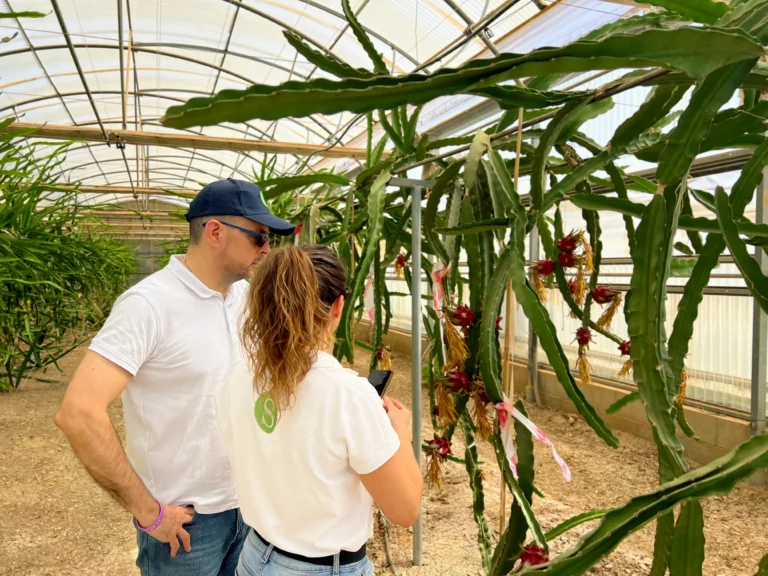
TriRuralTech promoted the creation of a network of Living Labs conceived as permanent spaces for experimentation, validation and demonstration of digital technologies applied to agriculture.
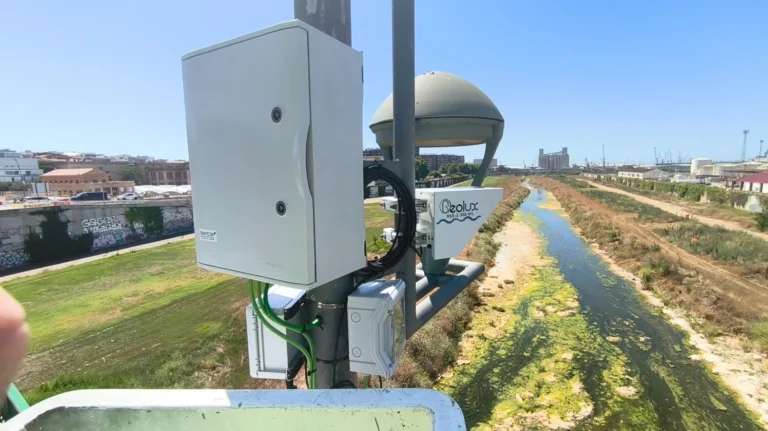
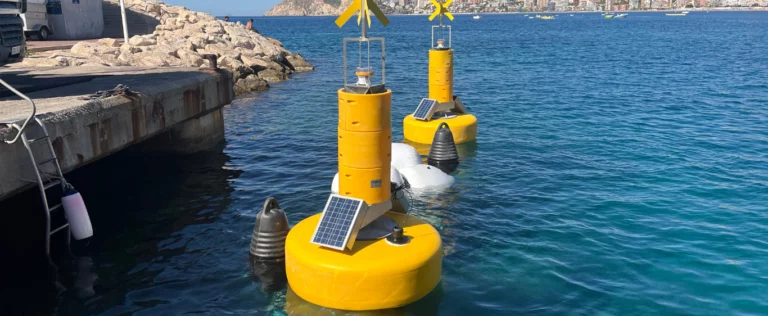
The infrastructure integrates data acquisition systems, IoT devices, automation, communications, environmental monitoring, and management platforms . Information generated by devices of different types is processed homogeneously using standardized data models.
This approach allows for the progressive incorporation of new sensors, applications, and acquisition systems without modifying the underlying technological architecture or creating dependencies on specific manufacturers.
An interoperable architecture based on FIWARE
One of the project’s main results has been the implementation of an interoperability layer based on FIWARE . This architecture allows for the integration of information from IoT devices, specialized platforms, and monitoring systems under a common data exchange model .
Thanks to this layer, information can be reused by different services and applications, facilitating collaboration between researchers, technology companies, administrations and other agents in the agri-food ecosystem.
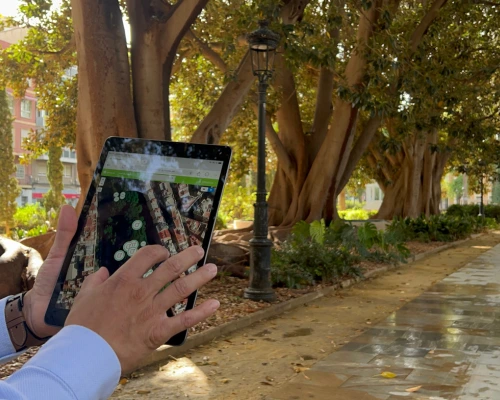
The Agroclima platform serves as a unified access point to the data generated by the Living Labs. From it, users can consult, visualize, graphically represent, and export the monitored variables.
At the same time, specialized platforms like IRRIMAN retain their specific functions of agronomic advice and decision support. This maintains the separation between internal technical services and the layer intended for interoperable information exchange.
An open, resilient, and secure infrastructure
The Living Labs have been designed as a flexible and scalable infrastructure, capable of integrating new devices using standard protocols such as LoRaWAN, NB-IoT, MQTT, SDI-12, or RS-485. This facilitates the incorporation of new technologies, the development of pilot projects, and the future evolution of the platform.
The solution also incorporates storage systems, power backup, and operational continuity measures that guarantee data availability and preservation. Its segmented architecture, secure communications, access controls, and recovery policies ensure data integrity, traceability, and protection.
The Agroclima platform is hosted on cloud services managed by OdinS, an organization certified according to the National Security Scheme, reinforcing data protection and the necessary trust for its shared use in research and innovation projects.
Results achieved
The implementation of TriRuralTech has enabled:
- Consolidate a common infrastructure for the generation and exploitation of agronomic information.
- Integrate heterogeneous devices and platforms under standardized data models.
- Reduce technological dependence on specific manufacturers.
- Facilitate the integration of new sensors and digital services.
- Ensure the security, availability, and traceability of information.
- Create a permanent environment for research, experimentation, and technological demonstration.
- Promote collaboration between IMIDA, technology companies and agents in the agri-food sector.
- Strategic Impact
The result of TriRuralTech transcends the implementation of a sensor network or a set of experimental facilities.
Living Labs constitute a permanent open innovation platform, prepared to incorporate new technologies, generate knowledge and accelerate the digital transformation of the agri-food sector through a secure, interoperable and shared use of data.